2016 Chevrolet Volt
- TIME MAINTENANCE @EVERY 60 MONTHS – All Applicable Models

Services Performed

Most Chevrolet problems begin with something small, a quick vibration, a faint rattle, or a delay that’s easy to ignore. These early symptoms usually vanish before you can recreate them, which is why so many drivers write them off. But what feels minor at first is often the first step in a failure chain that can do serious damage. Cowden Automotive, located in San Francisco, specializes in identifying and repairing Chevrolet issues before they leave you stuck or staring down a four-figure repair. These are the seven most common Chevy problems we see, why they happen, and what we do to make them stop.
Silverado Steering Loss Happens Fast, Usually Mid-Turn When You Need It Most
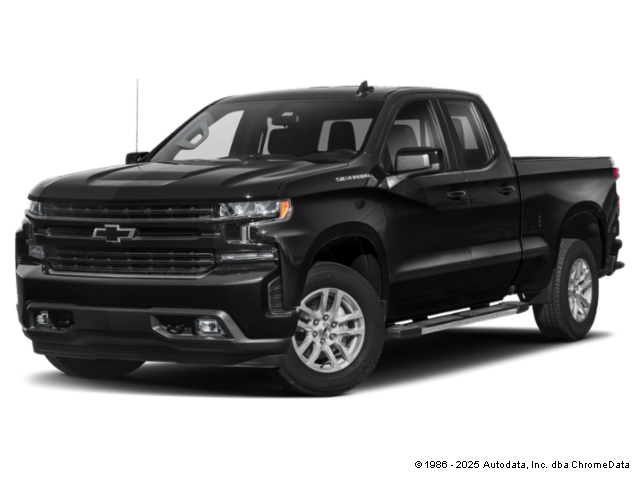
Between 2014 and 2016, Chevrolet Silverado 1500 models experience sudden loss of power steering assist due to electric power steering module failure. The wheel may go stiff in the middle of a turn, only to reset a moment later like nothing happened, which makes it even harder to diagnose. The problem comes from voltage spikes or thermal overloads that trigger dropout inside the EPS control unit, which doesn’t always store a trouble code. At Cowden Automotive, we simulate EPS load during steering maneuvers, track voltage decay under pressure, and scan live data to confirm the fault. Once verified, we replace the EPS module, recalibrate assist curves, and road test to ensure total stability at all speeds.
Cruze Overheating Doesn’t Start With a Leak, It Starts With a Warped Thermostat Housing
In 2011 to 2015 Chevrolet Cruze models with the 1.4L turbo engine, overheating usually comes from plastic components that cannot take the heat. The thermostat housing and coolant outlet degrade from heat cycling, then crack or warp and leak slowly under pressure. Drivers often see coolant loss without puddles or smell, followed by sudden temperature spikes when airflow drops. At Cowden Automotive, we pressure-test the system, check for vapor bubbles using thermal imaging, and refill using vacuum bleeder tools to prevent airlocks. We install upgraded housings and seals to stop future leaks, then monitor idle-to-load temperature consistency to confirm stability.
Tahoe A/C Doesn’t Fade for No Reason, It Leaks Until Cold Air Can’t Keep Up
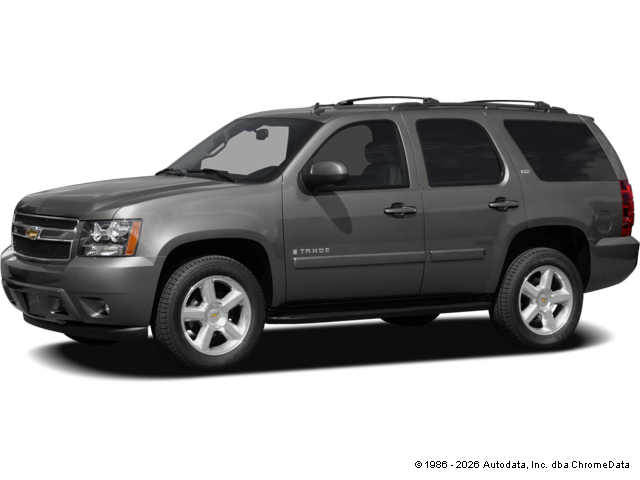
Tahoes from 2015 to 2019 often lose air conditioning performance due to slow refrigerant leaks from condenser weld seams or degraded line seals. The compressor may still engage and pressure may register in spec, which makes the issue hard to spot until airflow turns warm at idle. These leaks are often microscopic, which is why so many shops miss them entirely. At Cowden Automotive, we inject UV dye, pressurize with nitrogen, and inspect using electronic sniffers to locate the exact failure point. We replace failing condensers or seals, evacuate and recharge the system, and verify performance during full idle-to-load A/C cycling.
Malibu CVT Shudder Isn’t a Vibration, It’s the Torque Converter Coming Apart Mid-Cruise
In 2016 to 2021 Malibu models equipped with continuously variable transmissions, drivers often feel a rhythmic shudder around 50 miles per hour. This isn’t suspension or tire wear, it’s the torque converter clutch failing to hold under load due to fluid breakdown and friction wear. If ignored, the converter overheats and starts damaging the internal pulleys, which leads to full CVT failure. At Cowden Automotive, we perform live converter slip tests, analyze fluid for viscosity loss, and measure clutch engagement under cruise conditions. We replace the torque converter, flush the transmission with CVT-specific equipment, and reset adaptive learning to restore clean acceleration.
Suburban Doesn’t Just Burn Oil, It Bleeds It Every Time AFM Activates
Chevrolet Suburbans built from 2007 to 2013 with the 5.3L V8 and Active Fuel Management burn oil because the system is flawed by design. When cylinders deactivate, oil pools in inactive chambers and leaks past the piston rings into the combustion chamber. That means blue smoke on startup, fouled plugs by 60,000 miles, and oil levels dropping without explanation. At Cowden Automotive, we confirm AFM-related oil loss with plug inspection, bore scopes, and oil consumption logging. We then correct it using updated PCV systems, AFM lifter deactivation kits, or tuned control modules that protect the engine from slow self-destruction.
Equinox Startup Rattle Isn’t Just Noise, It’s a Chain Waiting to Fail
The 2.4L Ecotec engine in 2013 to 2017 Chevrolet Equinox models develops a distinct startup rattle as the timing chain begins to stretch. Poor oil pressure on cold starts causes tensioner failure and camshaft timing misalignment, which can escalate to valve damage if the chain jumps. That rattle is your warning, and it only gets louder and more expensive with time. At Cowden Automotive, we run cam-crank correlation tests, pressure-check the oil pump at cold idle, and verify chain slack using factory specs. Once confirmed, we install new chain sets, reset timing, and prevent top-end damage before it happens.
Colorado Transmission Slip Isn’t Fluid, It’s a Failing Converter and a Confused Valve Body
From 2015 to 2020, Chevrolet Colorado pickups with 6-speed and 8-speed transmissions often slip, shift hard, or delay under load due to internal torque converter failure or valve body calibration issues. The converter clutch starts to glaze, then the valve body overcompensates, and your transmission begins guessing at the next gear. At Cowden Automotive, we measure clutch fill time, test for fluid shear under load, and scan the TCM for shift error history. We replace the affected components and perform a complete transmission relearn, ensuring shift smoothness is restored without overcompensating future gear logic.
Early Repairs Cost Less Than Full Rebuilds, Always
Every one of these Chevrolet failures starts with something subtle, a rattle, a hesitation, or a warm A/C cycle. The sooner you diagnose it, the less you spend and the more you preserve the rest of the vehicle. Cowden Automotive, located in San Francisco, catches Chevrolet issues when they’re still fixable, not when they’ve already taken something else with them. Call (415) 777-9858 today to schedule your Chevrolet diagnostic before small symptoms turn into full-system failures.